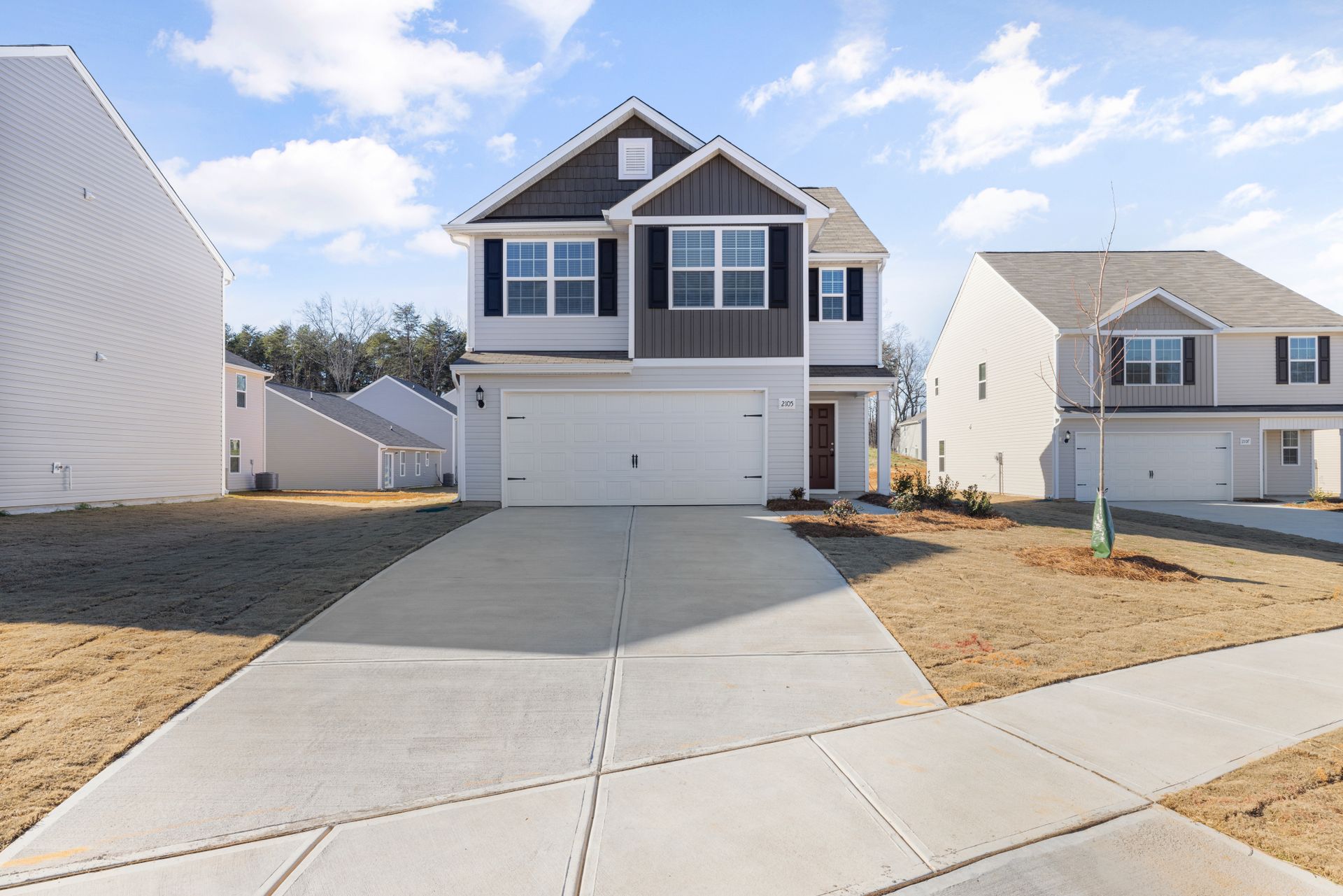
How thick should a driveway be?
For a residential concrete driveway, 4 inches of concrete is the usual minimum, with 5–6 inches where heavier vehicles park, on a compacted granular base of roughly 6 inches or more. Asphalt driveways are commonly 2–3 inches of hot-mix over a similar compacted base. Soil, drainage and the vehicles you own in Georgina decide the exact build-up, and we spell it out in the quote.
How do I know if my driveway needs repair or replacement?
Hairline cracks and surface wear can usually be sealed or resurfaced. Wide, spreading cracks, potholes, sunken sections, heaving and water pooling against the house usually point to a failed base, and patching that will not last. If more than about a quarter of the surface is damaged, or the driveway is near the end of its life, replacement in Georgina is often better value than repeated repairs. An on-site look settles it.
What affects the cost of a driveway in Georgina?
Driveway cost in Georgina comes down to five things: the size in square feet, whether old concrete, asphalt or interlock has to be removed and hauled away, how much granular base is needed, the surface and finish you choose, and site access for equipment. Sloped lots, drainage corrections and permits add to the scope. Asphalt usually costs less per square foot than concrete; stamped or exposed-aggregate concrete costs more than a broom finish. A written, itemized quote after an on-site measure is the only reliable number — be wary of prices given without anyone seeing the property.
Is blacktop the same as asphalt?
Mostly, yes. "Blacktop" is the everyday word for asphalt pavement. Technically both are a mix of stone aggregate and bitumen; blacktop is sometimes used for the hotter, finer surface mix used on driveways and lots, while heavier asphalt mixes go on roads. For a home driveway in Georgina, the terms describe the same thing.